Key Techniques Used in Pavement Milling Projects
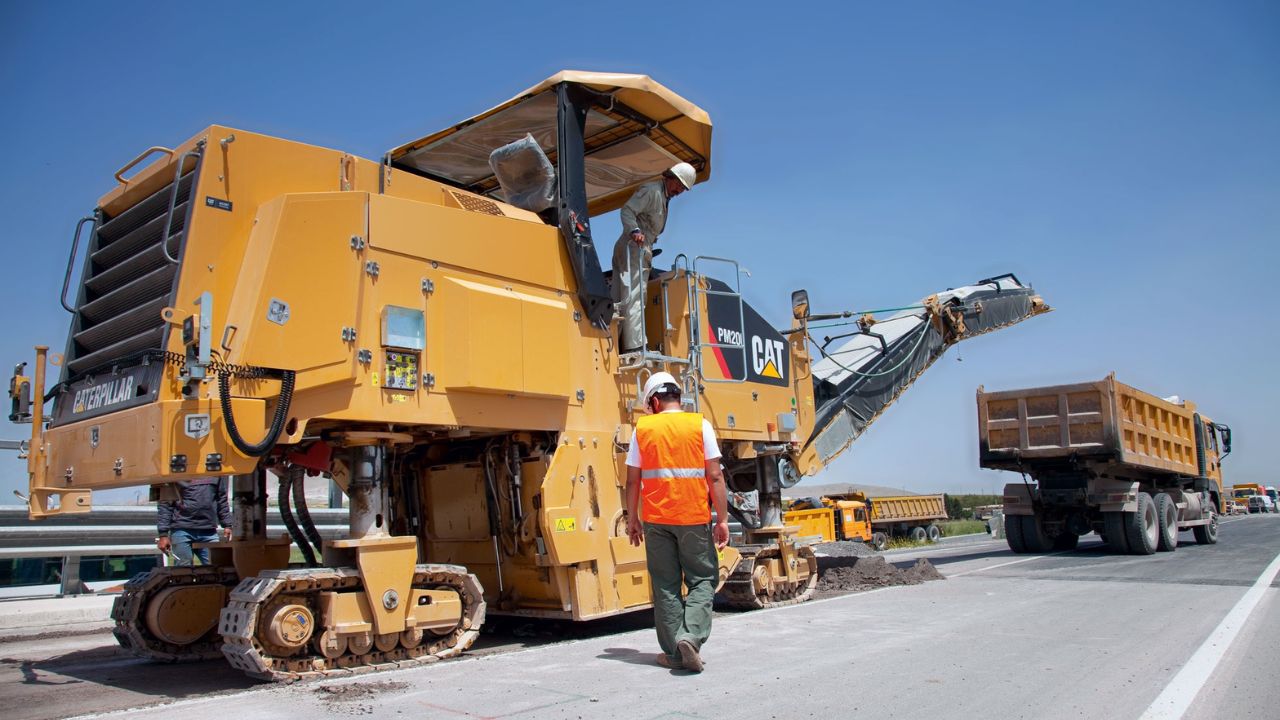
Pavement milling is an important activity. It is carried out in road construction and repair, where the top layers of asphalt or concrete surfaces are removed. It is commonly utilized in the process of repairing roads, filling road surface defects, and preparing pavements to be resurfaced. Milling projects require the techniques to be employed for the success of the projects. In the current pavement milling, precision techniques, modern equipment, and proper planning are essential to provide efficiency and safety, as well as durability of the end road surface.
Understanding Pavement Milling Techniques
The important methods in pavement milling projects are aimed at regulating the depth, the texture, and the uniformity of the removed surface layer. These methods make sure that the road is clean to apply new material. Before choosing a milling method, operators need to take into consideration such factors as the condition of the surface, the type of material, and the needs of the project.
Achieving a smooth and even surface and reducing damage to the underlying road structure are two of the main aims of these techniques. When the old and new pavement layers are properly executed, it promotes bonding, which enhances the life of the road.
Fine Milling for Surface Restoration
Fine milling is a special method employed when a more detailed and smooth finish is needed. This is the opposite of standard milling, and a thinner layer of pavement is removed, and a more uniform texture is created. It is also applied in situations where there are small surface flaws like shallow cracks or ruts, or other surface anomalies that require correction.
This method enhances the bonding surface on new asphalt layers, which guarantees higher bonding and longer road performance. This is also done by fine milling, which restores the skid resistance in the road, and this makes the road safer for vehicles and pedestrians.
Micro Milling for Precision Work
Micro milling is a modern method that employs cutting teeth at a tight spacing in order to produce very tiny surface textures. It cuts away extremely thin pavements and is mostly employed in precision repair. This is the best technique to use when making the surface ready to apply a thin overlay or seal coats.
Micro milling enhances the smoothness of surfaces and curbs reflective cracking in newly laid asphalt due to its exactness. It is mostly applicable in city streets, airport runways, and highways where the condition of the surfaces is critical.
Depth Control and Layer Removal Techniques
One of the most important aspects of pavement milling is depth control. Proper depth adjustment is to make sure that the base structure is not damaged by removing too much pavement. The cutting depths can be set to precise values using modern milling machines, which have sophisticated control systems that enable the operators to set the depths.
The layered removal is commonly applied in projects when several layers of pavement must be removed step by step. Structural integrity is maintained through this controlled method and guarantees a solid base on which to build something new.
Surface Texture Optimization
The surface texture is important in the performance of new layers of pavements. Milling methods are aimed at producing a scratched surface to enhance the bond between old and new material. Milling teeth develops a pattern that enhances friction and prevents layers from slipping.
Optimizing the texture also enhances water drainage, decreasing the chances of surface water buildup and increasing road safety. The operators can control the speed of the machines, the rotation speed of the drum, and the arrangement of the teeth to attain the desired finish on the surface.
Machine Operation and Technique Integration
The current pavement milling operations are based on the use of highly sophisticated machinery, which combines various methods into a single operation. Automated controls, sensors, and precision cutting systems are provided in milling machines to deliver consistent results.
The operators should ensure that machine speed, cutting depth, and feed rate are well synchronized to ensure efficiency. The integration of proper techniques will make the milling process smooth, controlled, and adaptable to various road conditions. This degree of accuracy will minimize the waste of material and enhance the overall quality of a project.
Conclusion
Major strategies that are applied in pavement milling projects are crucial to the achievement of road rehabilitation and construction projects. Cold milling, fine milling, micro milling, and depth control are all used to obtain the best surface quality, and each has a purpose. These methods not only enhance the safety and durability of roads but also promote sustainable construction methods by recycling materials. With the ever-growing technological advances, the methods of pavement milling will be more accurate, effective, and crucial in the current infrastructure development.